
GFI Software: 25% more vulnerabilities were reported in 2015 than in the previous year
Microsoft, Adobe and Apple systems had the most vulnerabilities last year
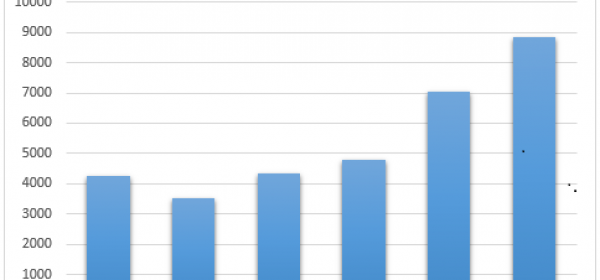
PRAGUE, 25 April 2016 – GFI Software, a provider of security solutions for enterprise networks, stated that in 2015 there was a significant increase in vulnerabilities in operating systems and applications, both on desktop and mobile devices. According to the GFI Software report entitled 2015’s MVPs – The most vulnerable players, 8,822 new vulnerabilities were added last year, 25% more than in the previous year, when 7,038 vulnerabilities were recorded. The highest number of new vulnerabilities was registered in Microsoft, Adobe and Apple systems.
The GFI report, based on data from The National Vulnerability Database, shows that the number of vulnerabilities has been steadily increasing since 2011. Nothing changed in the ranking of vulnerabilities by system type – applications (including web browsers) were again the most vulnerable last year, followed by operating systems and finally mobile devices, where not only tablets and smartphones but also, for example, smartwatches and TV systems were at risk.
Key findings of the report:
- The most vulnerable individual operating system in 2015 was Apple OS X (384 vulnerabilities); however, Microsoft Windows had the most vulnerabilities overall, with 6 different systems listed among the 10 most vulnerable. With 53 vulnerabilities, Windows 10 was the 12th most vulnerable last year.
- Among web browsers, Microsoft Explorer was the most vulnerable (231 vulnerabilities), followed by Google Chrome (187), Mozilla Firefox (178) and Apple Safari (135).
- Among mobile devices, Apple iOS recorded the most vulnerabilities (375), followed by Microsoft Windows RT (277 in total), Google Android (130), as well as Apple Watch OS (53) and Apple TV OS (46).
- Among applications, Adobe “reigns supreme” with the most vulnerable application, Adobe Flash Player (314), and three others among the five most vulnerable applications; Apple iTunes ranked fourth with 100 vulnerabilities. Microsoft Office applications in the last three versions recorded only 27 vulnerabilities in total.
“The growing number of vulnerabilities also means increasing risks to enterprise networks,” said Zdeněk Bínek, responsible for sales of GFI Software solutions in the Czech Republic and Slovakia. “Malicious software can enter networks through vulnerable operating systems, applications or mobile devices and cause considerable damage, including, for example, encrypting critical data with dangerous ransomware. If we were to give one piece of advice, it would be this: if nothing else, ensure regular patch management, especially for the most widely used third-party applications, namely Adobe, Apple and Oracle. Windows Update will not update them for you.”
Complete data on vulnerabilities in individual systems for 2015 can be found here.
Article author: ZEBR.ai editorial team