
For manufacturing companies, ransomware is not just a matter of IT security, but a matter of production continuity
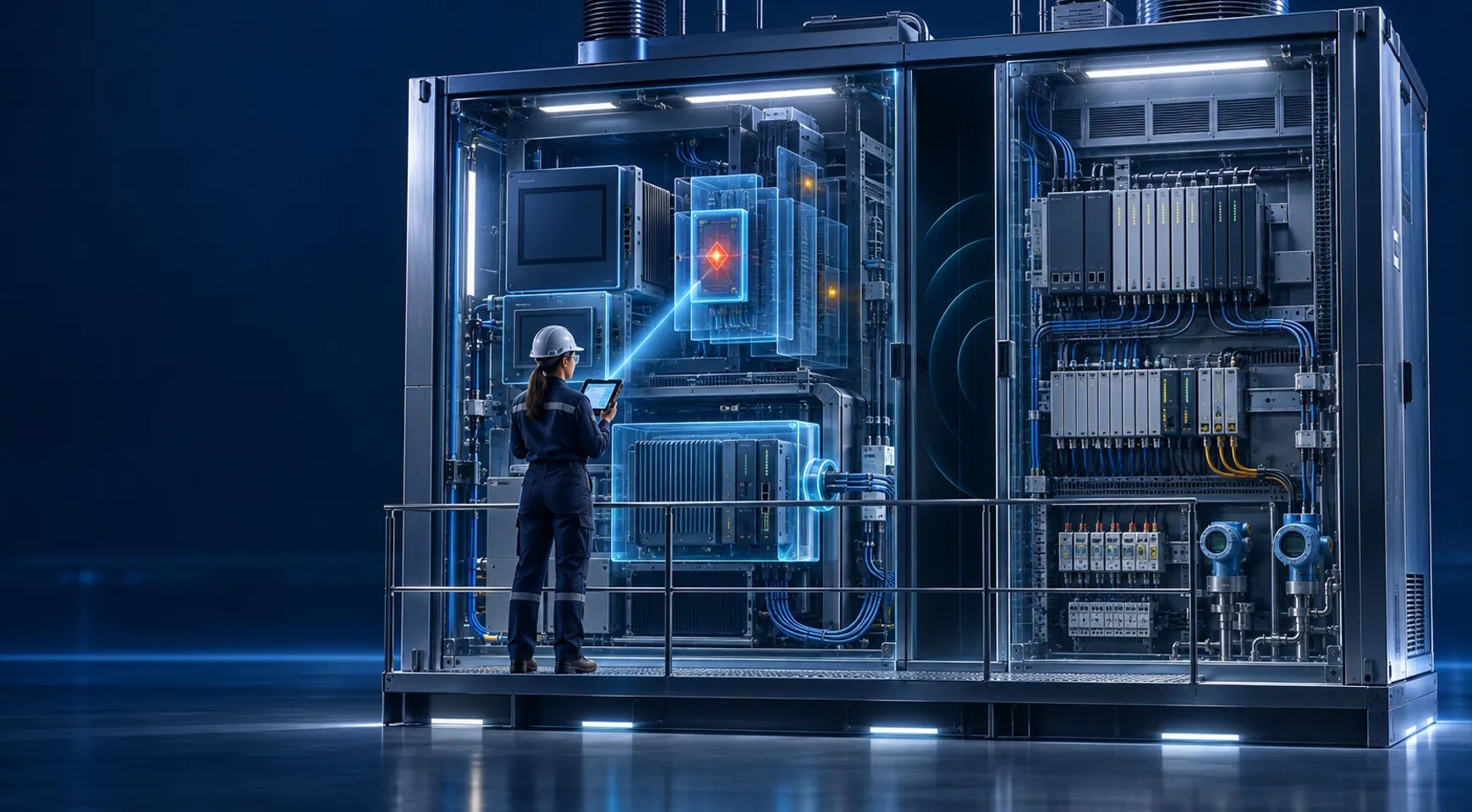
PRAGUE, 23 September 2026 – Acronis, a global leader in cybersecurity solutions, stated that for manufacturing companies, a cyberattack can mean a production shutdown without attackers having to directly target industrial control PLC systems – it is enough to disable the computers and servers on which production depends. Companies can then easily lose control over operations and, in extreme cases, have to shut down the entire manufacturing process.
Acronis data based on real-world operational data from the first quarter of 2026 show that manufacturing was the most frequently affected industry, accounting for 15% of recorded ransomware cases. Manufacturing companies are therefore facing a fundamental change in their approach to cyber resilience. The goal can no longer be merely to restore data and restart the IT infrastructure. The real goal is to restore a safe and verified state of the manufacturing process.
“In industry, it is not enough just to find that a server has come back online,” said Štěpán Bínek, Acronis solutions sales manager at ZEBR.ai “We need to know that the restored system corresponds to a known safe state and that reconnecting it will not endanger physical manufacturing processes. This is precisely why recovery must be part of the overall cyber resilience strategy of a manufacturing company.”
Attacks on operational technology through IT
One of the biggest misconceptions is the idea that industrial ransomware must attack manufacturing technology (OT) directly. In practice, an attack may begin in the corporate IT infrastructure and reach manufacturing operations through remote access, compromised accounts, virtualization, or the supply chain. Risky entry points include stolen VPN or jump host credentials, unsecured remote access (RDP), insufficiently secured supplier access, or vulnerable remote management systems.
For manufacturing companies, this leads to a clear conclusion: production protection begins before the production floor. Segmentation of IT and OT networks, remote access management, identity protection, and priority security for internet-exposed systems are fundamental prerequisites for resilient operations.
Ransomware attackers are increasingly targeting recovery mechanisms themselves. They try to destroy or render backups inaccessible so that the victim cannot quickly restore operations. For manufacturing companies, protecting backup systems is therefore just as important as protecting production infrastructure. Backup copies should be isolated from the production environment, protected against unauthorized modification, and regularly tested. In the case of industrial systems, backing up individual files is often not enough. Recovery may require a complete system image, including the operating system, applications, files, and configurations.
Preparation of key procedures
According to Acronis, manufacturing companies should have several key procedures prepared before an incident occurs:
isolated or immutable backups
a predefined recovery procedure
known safe configurations
mechanisms for recovery to replacement hardware
protection suitable for environments with limited connectivity
regular testing of the entire process
The Acronis Cyber Protect for OT solution supports backup and recovery of computer systems that ensure industrial operations, including environments with segmented or disconnected (air-gapped) infrastructure. The solution combines full system backup and recovery, operator-controlled local recovery, and hardware-independent recovery. However, technology alone cannot ensure a safe production restart. Verification of the physical process and the decision to resume operations must remain in the hands of the responsible operations, technical, and security teams.
For manufacturing companies, ransomware is therefore not just a matter of IT security; above all, it is a matter of production continuity. A company with prepared backups separated from the production environment, knowledge of the context of its technologies, and regularly tested recovery is much better positioned to handle an attack without long-term disruption of operations.