
EDR, backup and regular training are the most effective combination for cyber protection
PRAGUE, March 6, 2024 – Acronis, a global leader in cyber protection solutions, has published the results of the Acronis Cyberthreats Report, its regular semiannual cyberthreat report covering the second half of 2023. Using data collected from more than 1,000,000 unique endpoints in 15 countries, the report found that more than 90% of organizations have already been affected by AI-enabled phishing, which contributed to a 222% increase in email attacks compared to the second half of 2022.
The report reveals a lack of strong security solutions designed to prevent the exploitation of Zero Day vulnerabilities. Organizations also become victims of attacks due to delayed patching of vulnerable software, allowing hackers to obtain domain administrator privileges, uninstall security tools and access sensitive information. Most of these attacks can be prevented by endpoint detection and response (EDR) technology combined with regular data backups following the 3-2-1 rule, which provides the last line of defense.
“Globally, we are seeing an alarming trend in which attackers are increasingly using ChatGPT and other generative AI systems to increase the effectiveness of cyberattacks, create malicious code and automate attacks,” said Candid Wüest, Vice President of Product Management at Acronis. “Now, more than ever, companies must prioritize comprehensive cyber protection solutions to ensure business continuity.”
The report predicts the emergence of more advanced tactics, such as supply chain attacks, AI-driven attacks and state-sponsored system breaches. MSP providers should prepare for threats tailored to their business, including “island hopping,” in which attackers use MSP infrastructure to attack clients, as well as “credential stuffing,” which exploits an MSP’s broad access to many systems. To address these challenges, Acronis offers training and certification programs through the MSP Academy for those interested in improving their cybersecurity skills and knowledge.
Key findings and trends include:
- 33.4% of received emails were identified as spam, with 1.5% containing malware or phishing links.
- The average lifespan of a malware sample is 2.1 days.
- In Q4 2023, 1,353 ransomware incidents were confirmed, with LockBit, Play, ALPHV and the Toufan group contributing significantly.
- Ransomware remains the main threat to large and medium-sized enterprises and affects critical sectors such as public administration and healthcare.
- The use of generative AI systems, including ChatGPT, to launch cyberattacks and create malicious content is on the rise.
- Attacks on managed service providers (MSPs) continue, with recent major incidents affecting several organizations in the United States.
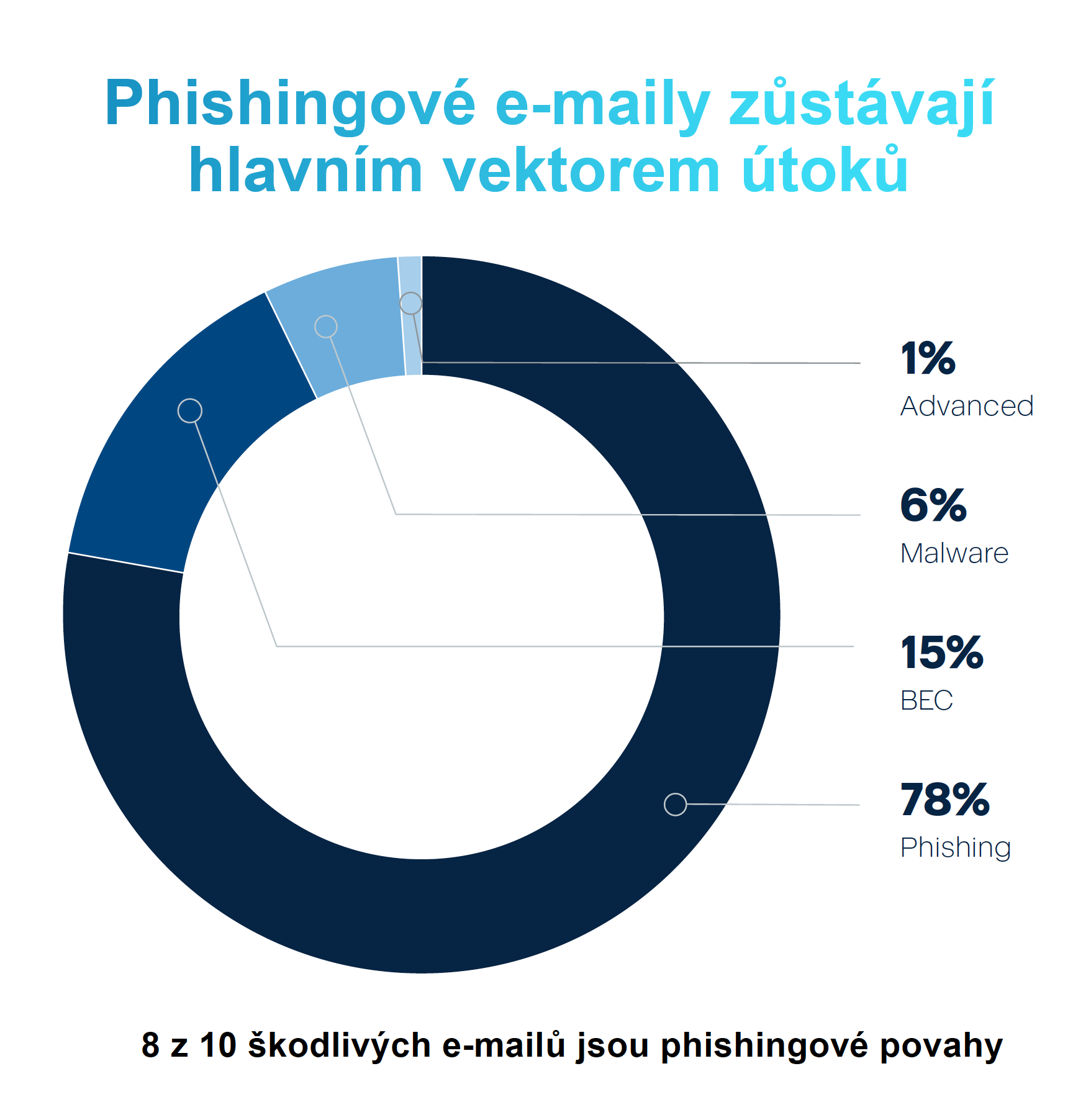
- Phishing and email attacks remain the primary infection vectors, with the total number of email attacks detected in 2023 increasing by 222%.
- 91.1% of organizations faced AI-enabled phishing attacks.
- The release of ChatGPT has significantly increased the use of generative AI for cyberattacks.
The report is based on data from Acronis’ Cyber Protection Operation Center (CPOC) and includes data on ransomware threats, phishing, malicious websites, software vulnerabilities and forecasts for 2024. Published twice a year, the Acronis Cyberthreats Report is establishing itself as a benchmark source of cybersecurity information. By regularly publishing reports designed to keep pace with developments in cybersecurity, Acronis strengthens the ability of its users and partners to face the latest cyberthreats.
For more information, download a copy of the full Acronis End-of-Year Cyberthreats Report 2023 here: https://go.acronis.com/cyberthreats-2023-h2.
Article author: ZEBR.ai editorial team